Fax: 323-880-1511

Back To Playtime,
In No Time.
LOS ANGELES · IN-OFFICE CARE
In-Office Ear Tubes Without General Anesthesia
In-Office Ear Tubes Without General Anesthesia
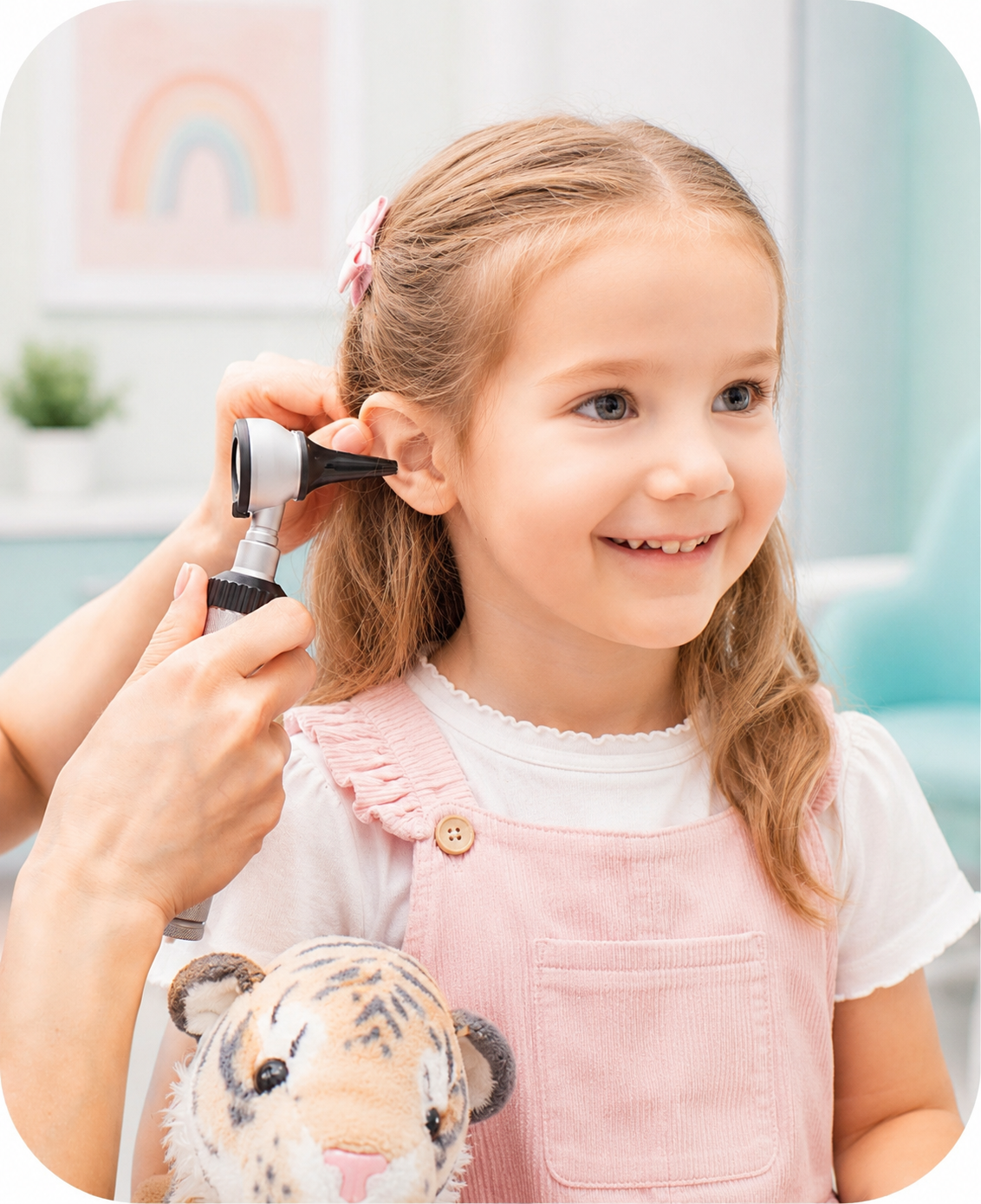
Families Love The Experience
Families Love
The Experience
"It could not have been easier. He did cry, but was totally back to normal before we even left the office."
- Mother of Patient
"Hurt less than a flu shot! It was loud, and you could hear it, but it didn't hurt!"
-Young Patient
"She felt nothing, she said it didn't hurt, We did the other side, same thing, and then we left!"
- Mother of Patient
Identities are hidden for privacy purposes.

Ear Infections
Ear Infections
Recurring ear infections are common in young children and can cause pain, sleep disruption, hearing changes, and repeated antibiotic use. When infections keep coming back, ear tubes for kids can alleviate, or even eliminate, these symptoms as well as decrease the need for antibiotics by mouth.
At our Los Angeles office, Dr. Gene Liu evaluates each child’s infection history, middle-ear fluid, hearing, age, and development before recommending an ear tube procedure. For eligible children, awake, in-office ear tube placement can provide an alternative to traditional operating-room ear tube surgery while avoiding general anesthesia.
Want to learn more about how we keep ear infections away? Give us a call at (310) 887-1111

Chronic Ear Fluid
Chronic Ear Fluid
Chronic ear fluid can develop when a child’s natural eustachian tubes become blocked or do not drain well, allowing fluid to remain behind the eardrum. The eustachian tubes are part of the body and are different from the tiny ear tubes placed in the eardrum during treatment.
Fluid buildup can develop after colds, allergies, infections, or because of the natural shape of a developing child’s ears.
Persistent fluid may not cause obvious pain, but it can contribute to muffled hearing and may affect speech, language, learning, or development.
When chronic fluid or recurrent infections continue, Dr. Liu can help determine whether tubes in children’s ears are an appropriate next step.

Meet Your Doctor
Gene Liu, MD, MMM, FACS, FAAP
Gene Liu, MD, MMM, FACS, FAAP
Dr. Gene Liu is a board-certified otolaryngologist and head and neck surgeon with expertise in pediatric ENT care, including the care of children with complex medical and surgical needs. He provides thoughtful, personalized care and works closely with patients and families to develop treatment plans that reflect their needs, values, and goals.
Book Your Appointment
with: Dr. Gene Liu MD
Schedule a visit with Dr. Gene Liu for thoughtful, personalized ear, nose, and throat care in a calm and welcoming environment for patients of all ages.
Location and Contact Information:
Fax: 323-880-1511
Office: 2080 Century Park East Suite 704 Los Angeles, CA 90067
Hours: Mon-Fri 8:00am - 5:00pm (Closed 12:00pm - 1:00pm for lunch)
Ear Tube Care Without the Operating Room
Ear Tube Care Without the Operating Room
In-Office Treatment
For appropriate patients, the ear tube procedure is performed right in the doctor’s office, helping families avoid an operating-room visit.
No General Anesthesia
For eligible children, ear tubes can be placed while the child is awake, without general anesthesia or an operating-room visit.
Quick and Gentle
The tube placement itself is brief and designed to be efficient, gentle, and as comfortable as possible for children.
Care Beginning at 6-Months
As a world-renowned expert, Dr. Liu has extensive experience placing tubes in awake children and adults using the newest techniques and tools, including every FDA-approved in-office ear tube system. Eligibility depends on the individual patient, diagnosis, anatomy, and the system being used.
Awake, In-Office Ear Tube Placement
Awake, In-Office
Ear Tube Placement
Awake, in-office ear tube placement is an option for eligible children over 6 months of age with recurring ear infections, persistent ear fluid, hearing difficulties, or speech and developmental concerns related to ear health. Unlike traditional operating-room ear tube surgery, the ear tube procedure can be performed in the office while the child is awake, avoiding general anesthesia and a hospital visit.
The tiny ventilation tubes in children’s ears help air reach the middle ear and allow trapped fluid to drain. Parents may hear these described simply as tubes in ears. Treatment is individualized, and not every child with an ear infection needs tubes. Dr. Liu reviews symptoms, examination findings, hearing, medical history, and family goals before recommending an ear tube procedure.

Shared Decision Making
Families often ask which ear tubes are best for in-office use or which option is the most reliable for their child. There is no single “best” ear tube for every patient. Dr. Liu considers the child’s age, anatomy, symptoms, ear health, treatment goals, and the available FDA-approved delivery systems before recommending an in-office approach.
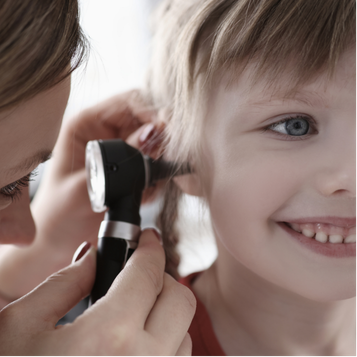
Easy Scheduling
We make it simple for families to get the care their child needs. Appointments for evaluation and in-office ear tube placement can often be coordinated without the scheduling demands of traditional operating-room surgery, helping minimize disruptions to school, work, and family routines.

Minimal Downtime
Without general anesthesia, many children can return to normal activities shortly after awake ear tube placement. Your doctor will provide individualized instructions about ear drops, drainage, water exposure, school or daycare, and follow-up care.
Choosing an In-Office Ear Tube Option
Choosing an
In-Office
Ear Tube Option
Parents searching for safe ear tubes for kids, the best ear tubes for chronic ear infections, or the best ear tubes for persistent ear infections in children should know that the right choice depends on the individual patient - not a product ranking. The goal is to select an appropriate, evidence-based in-office option that fits the child’s anatomy, diagnosis, comfort needs, and treatment plan.
Information Corner
Check out Dr. Liu's YouTube for helpful videos, and additional information
Information Corner
Check out Dr. Liu's YouTube for helpful videos, and additional information
Got Questions? We Have Answers!
Got Questions?
We Have Answers!
Why are ear tubes recommended?
Ear tubes may be recommended for patients who experience frequent ear infections, persistent fluid behind the eardrum, hearing changes related to middle-ear fluid, or developmental concerns that may be affected by hearing. The most appropriate treatment for chronic ear infections or persistent ear infections in children depends on the child’s individual history and examination - not on a one-size-fits-all approach.
Key benefits may include:
- Reducing the overall number of ear infections.
- Allowing many uncomplicated ear infections in children with tubes to be treated locally with prescribed antibiotic ear drops rather than oral antibiotics.
- Helping ventilate the middle ear and reduce persistent fluid that may contribute to fluid-related hearing loss.
How many ear infections before tubes are considered?
Parents often ask how many ear infections before tubes - or how many ear infections until tubes become appropriate. Recurrent acute ear infections are commonly defined as 3 or more episodes in 6 months, or 4 or more in 12 months with at least 1 episode in the preceding 6 months. The number alone does not determine treatment. For recurrent infections, current guidelines place important weight on whether middle-ear fluid is present at the time of evaluation, along with hearing, speech or language concerns, age, medical history, and how the infections are affecting the child. Dr. Liu uses the full clinical picture before recommending operating-room ear tube surgery or an awake, in-office approach.
Which ear tubes are best for in-office use?
Families often search for the best in-office ear tubes, the most reliable in-office ear tubes, the best-quality in-office ear tubes, recommended ear tubes for in-office use, or the best ear tubes for an in-office procedure. There is no single best ear tube or delivery system for every patient. Dr. Liu considers the child’s anatomy, diagnosis, age, comfort needs, and the specific features of each FDA-approved system. Families researching in-office ear tube reviews should focus on physician experience, appropriate patient selection, safety information, follow-up care, and whether the approach fits their child’s needs.
What Should I Expect? Tube Lifespan & Follow-Up
- The Lifespan of a Tube: Ear tubes are temporary. Most short-term tubes remain in place for approximately 6 to 18 months and fall out naturally as the eardrum heals. Some remain longer. If a tube stays in place for 2 to 3 years or longer, your ENT may discuss whether removal is appropriate.
- Will They Need Them Again? By the time the first tubes fall out, about 80% of children have improved ear function and do not need another set placed. Some children with ongoing eustachian tube problems, chronic fluid, or recurrent infections may need another set later.
- Follow-Up Routine: After placement, your child should be seen within about 3 months to make sure the tubes are in place and functioning properly. After that, routine checks are generally recommended about every 6 months while the tubes remain in place. Once the tubes fall out, a follow-up visit about 6 to 12 months later can help confirm that the eardrums have healed and the ears are healthy.
What does a tube look like in an ear?
An ear tube is a tiny, hollow ventilation tube that sits in a small opening in the eardrum. Designs vary in shape and size. Your ENT can show you the type being considered and explain how it is placed during the ear tube procedure.
What if an ear tube fell out?
An ear tube falling out is usually part of the normal healing process. Most tubes are designed to fall out of the eardrum on their own. If an ear tube falls out and infections, fluid, hearing concerns, or other symptoms return, contact your physician to determine whether follow-up or another treatment is needed.
What if my child gets an ear infection with tubes?
Children with ear tubes can still get ear infections. An ear infection with tubes may cause yellow, green, cloudy, or bloody drainage from the ear and may occur with little pain or fever.
- If antibiotic ear drops are prescribed, use them exactly as directed. Avoid over-the-counter ear drops unless your clinician specifically recommends them.
- Gently clean drainage from the outer ear opening with a damp cloth. Do not place cotton swabs or other objects deep in the ear canal.
- Contact your ENT if drainage continues for more than 7 to 10 days without improvement with treatment, frequently returns, completely fills the ear canal, or prevents prescribed drops from entering the ear.
Are There Any Potential Risks?
Complications are uncommon, but as with any medical procedure, there are potential risks that families should understand.
- Persistent perforation: There is a small chance that a hole remains in the eardrum after the tube falls out. Many close on their own, while some may require surgical repair.
- Inward migration: Very rarely, a tube can move inward into the middle ear rather than outward. If this occurs, it should be evaluated by an ENT.
- Ongoing or recurrent symptoms: Ear tubes can help reduce certain ear-related problems, but they do not guarantee that a child will never have another ear infection, fluid episode, or need for future treatment.
Contact Us
Fax: 323-880-1511

Visit Us
Office:
2080 Century Park East Suite 704
Los Angeles, CA 90067
Assistance Hours:
Mon – Fri 8:00 am – 5:00 pm
(Closed 12:00pm - 1:00pm for lunch)
Find Us
